The Ultimate Guide to Money Remittance: Everything You Need To Know
June 23, 2025
The Ultimate Guide to Money Remittance: Everything You Need To Know
Discover everything you need to know about money remittance in this comprehensive guide. Learn about key players, the remittance process, choosing providers, fees, exchange rates, security, and compliance.
Sending money across borders has become increasingly common in our interconnected world, whether to support loved ones, pay for services, or invest in opportunities. Navigating the complexities of international money transfers can be daunting, which is why we've crafted this ultimate guide to money remittance. Whether you're a first-time sender or a seasoned pro, this guide aims to equip you with everything you need to know about sending money across borders.
Understanding Money Remittance
Money remittance involves transferring funds from one location to another, typically across international borders. This could include sending money to family members abroad, paying for goods or services, or supporting business operations in different regions.
So, what is a remittance in banking? In this sector, a remittance can be defined as the transmission of funds between parties. Electronic payment systems, wire transfers, postal orders, and cheques are all acceptable methods of transmitting remittances to pay bills or invoices. The root of the word “remit” – “to send back” – is where the remittance payment meaning originates.
Key Players in the Remittance Process
Before delving into the intricacies of money remittance, it's essential to understand the key players involved. Traditional methods often involved banks and money transfer operators (MTOs), but with the rise of digital technology, online platforms and mobile apps have emerged as popular alternatives.
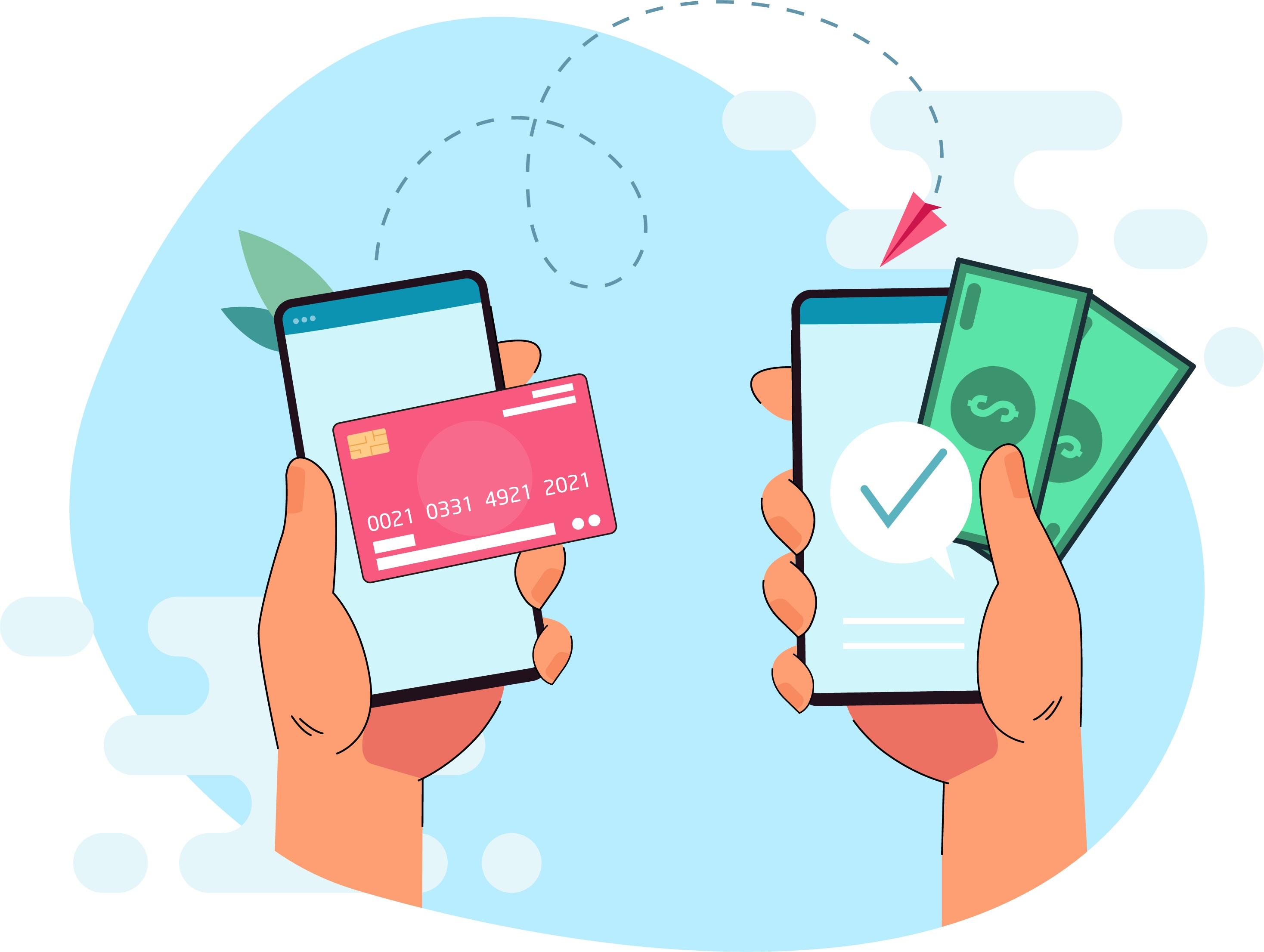
There are 3 stages to a standard remittance transaction; Firstly, the sender remits the funds to a money transfer service through a credit/debit card, cash, cheque, online transfer, or money order. Secondly, the money transfer service delegates the delivery of the remittance to its agent in the beneficiary’s country. Lastly, the paying agent transfers the funds to the beneficiary.
The Remittance Process
Sending money abroad involves several steps, from selecting a remittance provider to completing the transaction. This guide provides a detailed walkthrough of each stage, offering insights into factors such as exchange rates, fees, and delivery options.
Remittances can be either inward or outward. Outward remittance is money sent out of one country and into another. These occur when doing business internationally or using services offered by a foreign company. The term also refers to funds sent from people living in one country to family members in another.
For inward remittances, these are funds received, often from abroad. This could refer to money received from relatives living overseas or payments for goods and services from international customers.
For remittance transactions to complete, the sender’s bank account must have sufficient funds to cover the transfer. Following the initiation of the transaction, a transaction fee and currency exchange rate are imposed after the funds are received by the bank. After deducting the fees, the receiver can retrieve the cash in their local currency.
Choosing the Right Remittance Provider
Selecting the right remittance provider can be challenging with numerous options available. Factors to consider include reliability, affordability, speed, and convenience.

Understanding Fees and Exchange Rates
One of the critical factors to consider when sending money abroad is the cost involved. Remittance providers may charge fees for their services, which can vary significantly depending on the provider and the transfer amount. Additionally, exchange rates play a crucial role in determining the final amount received by the recipient. Understanding these factors is essential for optimizing your remittance experience and minimizing costs.
Steps for Sending a Remittance
Remittances can be made through bank transfers and other avenues, such as third-party services like Pay2Home. Here’s what you need to do if you want to send money overseas:
- Choose a money transfer service for your financial transaction process.
- Provide the recipient’s information (Name, Address, Bank Account Number, SWIFT code, Phone Number, Email Address).
- Complete the payment. Common ways to pay at online remittance platforms are credit/debit cards, bank transfers, SWIFT, and cash at dedicated service points. Pay2Home offers all of the above payment solutions, making us a convenient and reliable remittance provider.
- The beneficiary receives the payment. The money can either be sent to the recipient’s bank account or can be collected in person.
It is important to consider factors such as transaction fees, transfer limits, and currency exchange rates before sending remittances. Furthermore, in most cases, documents verifying the particulars of both the sender and the recipient are required. Such documents include:
- Purpose of payment
- Relationship with the sender/recipient
- Personal information (Date of birth, address, occupation, and company)
- Identity, citizenship, and current address
- Bank details and source of funds
Ensuring Security and Compliance
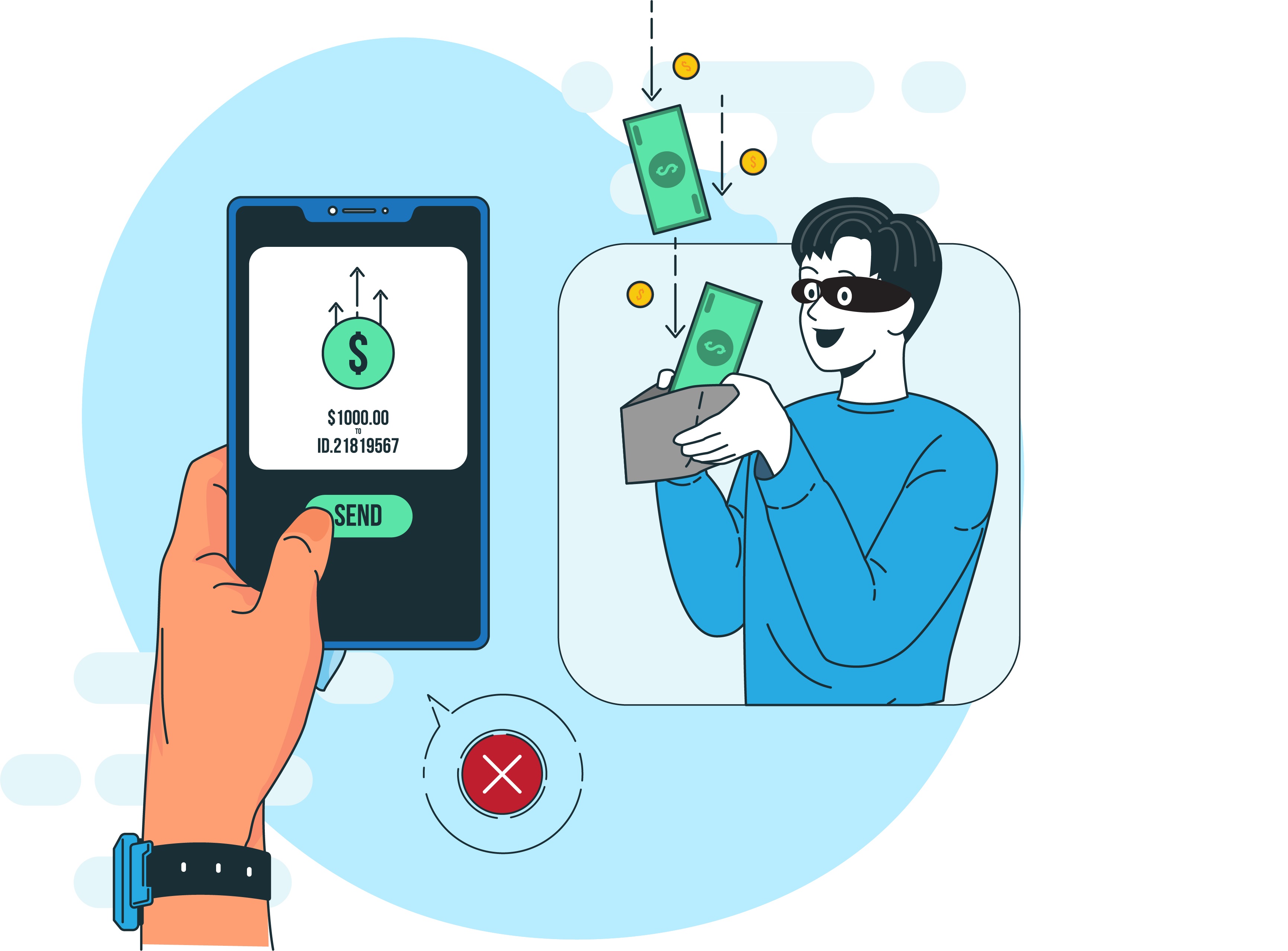
Security and compliance are paramount in the realm of money remittance. Remittance providers must adhere to strict regulatory requirements to prevent fraud, money laundering, and other illicit activities.
In conclusion, money remittance is a vital aspect of our globalized world, facilitating financial transactions across borders. Whether you're sending money to family members, paying for services, or supporting business endeavours abroad, understanding the ins and outs of the remittance process is crucial.
By reading this guide, you can navigate the world of money remittance with confidence, ensuring seamless and secure transactions every time. Want to make your first remittance? Visit www.Pay2Home.com for reliable and efficient money remittance services!